Deadbolts do quiet work that prevents loud problems, and Orlando homes and storefronts benefit from getting that detail right. Speak with any experienced residential locksmith in Orlando FL, and you will hear the same thing, that careful deadbolt fitting beats expensive hardware installed carelessly. This guide puts technique ahead of hype, explaining choices, trade‑offs, and realistic outcomes for homes and small businesses.
Understanding how a deadbolt actually secures your door
Think of a deadbolt as a steel pin that must physically ride into a reinforced pocket, because that mechanical engagement is what stops a kicked door in Orlando’s block construction homes. Single cylinder models take a key outside and a thumbturn inside, while double cylinder units take keys on both sides and demand more care around https://locksmithunit.com/ emergency egress codes. The right deadbolt buys you minutes and noise, and that friction is what changes a criminal’s plan.
Picking the right deadbolt grade, finish, and cylinder for Florida heat
Orlando humidity attacks finishes and gums up cheap cylinders, so choose a deadbolt with a corrosion‑resistant finish and a cylinder that tolerates dust and moisture. If you prefer keyed‑alike convenience, a rekey locksmith Orlando can key your new deadbolt to existing house keys, reducing pocket clutter and keeping access simple. High security locks with hardened inserts resist drilling attempts common in urban fringes, and that upgrade pairs well with a reinforced strike.
Marking, drilling, and fitting without the headaches
I begin by verifying the door thickness and hinge side reveal, since a warped slab or loose hinge pins create binding that no lock can fix later. Use a 1 inch spade or auger for the bolt pocket and a 2‑1/8 inch hole saw for the cylinder bore, and keep the drill square to avoid an oval bore that scrapes the latch. Only after the bolt runs smoothly do I mark and cut the strike, since that pocket depth and alignment decide how satisfying the final turn feels.
Frames, strikes, and the physics of forced entry
I replace shallow strikes with a full box strike and 3 inch screws that reach the wall studs, anchoring the assembly into structure rather than trim. For older apartments, I install continuous strikes that run long on the latch side, a detail that keeps tenant move‑ins from instantly wiggling hardware loose. Hinges take half the load during an attempted kick, and swapping two or three short factory screws for 3 inch screws tightens everything noticeably.
Smart deadbolts and keyless entry that behave in real life
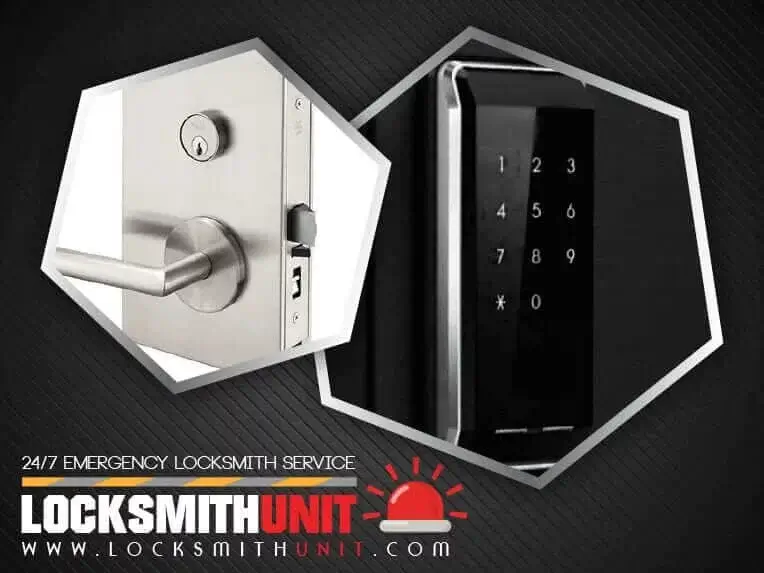
Electronic locks shine for families and short‑term rentals, though you need to choose models with metal housings and gasketed keypads for Florida weather. Wi‑Fi brings remote control, yet it also brings updates and dependencies, so plan for a stable network and a physical key as a fallback. If you install a smart deadbolt, keep the bolt a true one inch throw and the strike reinforced, because software does not make hardware stronger.
Deciding between a Saturday project and a professional install
When the slab is steel‑skinned, the frame is out of plumb, or the old holes are oversized, a local locksmith earns their pay in reduced headaches. An emergency locksmith is not just for midnight lockouts, because same day locksmith service can rescue a broken install before it becomes a security gap. Factor your time, your tools, and the cost of a mis‑drilled hole, and the professional route often becomes the cheaper path.
Common problems I fix on service calls
A deadbolt should throw the full one inch smoothly, and anything less invites prying tools and quick breaches. Loose thumbturns come from over‑tightened through‑bolts that crush the door skin, so snug them evenly and use the correct rosette orientation. Key control issues emerge when too many copies float around, so rekey locks after tenants move out or contractors finish, a quick service that reduces risk.
Balancing convenience, compliance, and layered defenses
I like to pair a proper deadbolt with a solid latch on the knob or lever, a peephole at the right height, and clear sightlines from the porch to the street. Retail spaces should look welcoming, yet after hours they need serious security, so hide reinforcement where customers do not notice it. For safes and interior valuables, a safe locksmith can add layers, yet do not neglect the front door, because most incidents start where access is easiest.
A realistic walkthrough from arrival to final test
On arrival, I inspect the door, frame, and hinges, because solving future problems now is cheaper than a second visit. I lay down a drop cloth, mask the area as needed, and mark bore centers carefully, which keeps dust off floors and holes exactly where they belong. After hardware goes in, I test the throw with the door open and closed, adjust the strike depth, and then drive long screws into structure for the final anchor.
Small habits that pay off in smooth operation
A light graphite or PTFE lube in the keyway once or twice a year keeps pins happy without attracting grit, which matters where sand rides the wind. Tighten visible screws during seasonal door swelling, since movement loosens hardware and creates the wobbles that lead to premature wear. For keypad units, replace batteries on a schedule, not just when they die, and keep the emergency key or backup code where you will not forget it.
Special cases: metal doors, glass panels, and older mortise setups
I often pre‑fit hardware on metal before final tightening, since one misaligned screw can twist the faceplate and bind the bolt. Doors with nearby glass demand careful hardware choices, and sometimes a double cylinder deadbolt is considered, but always verify local codes and plan for safe egress. Old mortise locks in historic homes can accept a retrofit deadbolt with a clean plate, preserving character while adding security to the main entry.
Preparing for the moment you cannot plan
Lockouts never respect your schedule, which is why a 24 hour locksmith remains essential for families, travelers, and store managers closing late. Car lockout service belongs in your plan too, since lost car keys often coincide with home access problems, and solving one helps the other. If a break‑in occurs, request a security lock upgrade and a temporary board‑up, then schedule a proper deadbolt replacement with longer screws and a reinforced strike.
What I advise clients to prioritize first
If you must choose, spend money on a solid Grade 1 or Grade 2 deadbolt, a reinforced strike, and long screws on the hinge and strike sides before anything fancy. For storefronts, invest in a latch guard and continuous hinge if the door shows sag, since alignment preserves every lock you add. When you weigh cost against risk, remember that a solid entry reduces the chance you will pay for repairs, downtime, and stress later.
Five quick steps to simplify your deadbolt project
- Confirm door thickness, backset measurement, and swing direction so hardware fits without adapters. Decide on keyed‑alike, master key needs, or a rekey plan to control access from day one. Choose finish and function, mechanical or smart, with an honest look at sun exposure and traffic. Plan reinforcement, at minimum a box strike with 3 inch screws into structure. Set aside time and tools, or book a locksmith near me who brings the right gear and parts.
What consistent results look like in real homes and shops
Across hundreds of installs, the pattern holds, precise drilling, clean mortising, true alignment, and real screws into structure beat bravado and big brand labels. Whether you hire a locksmith Orlando FL or handle the work yourself, focus on fit, frame, and follow‑through, and you will have a door that earns trust. Security should feel boring, smooth, and consistent, and with the right deadbolt fitting in Orlando, that is what you will get.